

Plastics Solutions
Home / PTFE
Product Range



PTFE – Polytetrafluoroethylene
Category: Engineering Plastics, Laminates and Composites
Description
PTFE (Polytetrafluoroethylene) better known under the Du Pont trade name Teflon®.
PTFE is a high crystalline thermoplastic with the lowest coefficient of friction of all plastics; however, this is offset by poor mechanical strength. To improve these mechanical properties, PTFE can be compounded with various fillers such as carbon, bronze, glass fibre, etc.
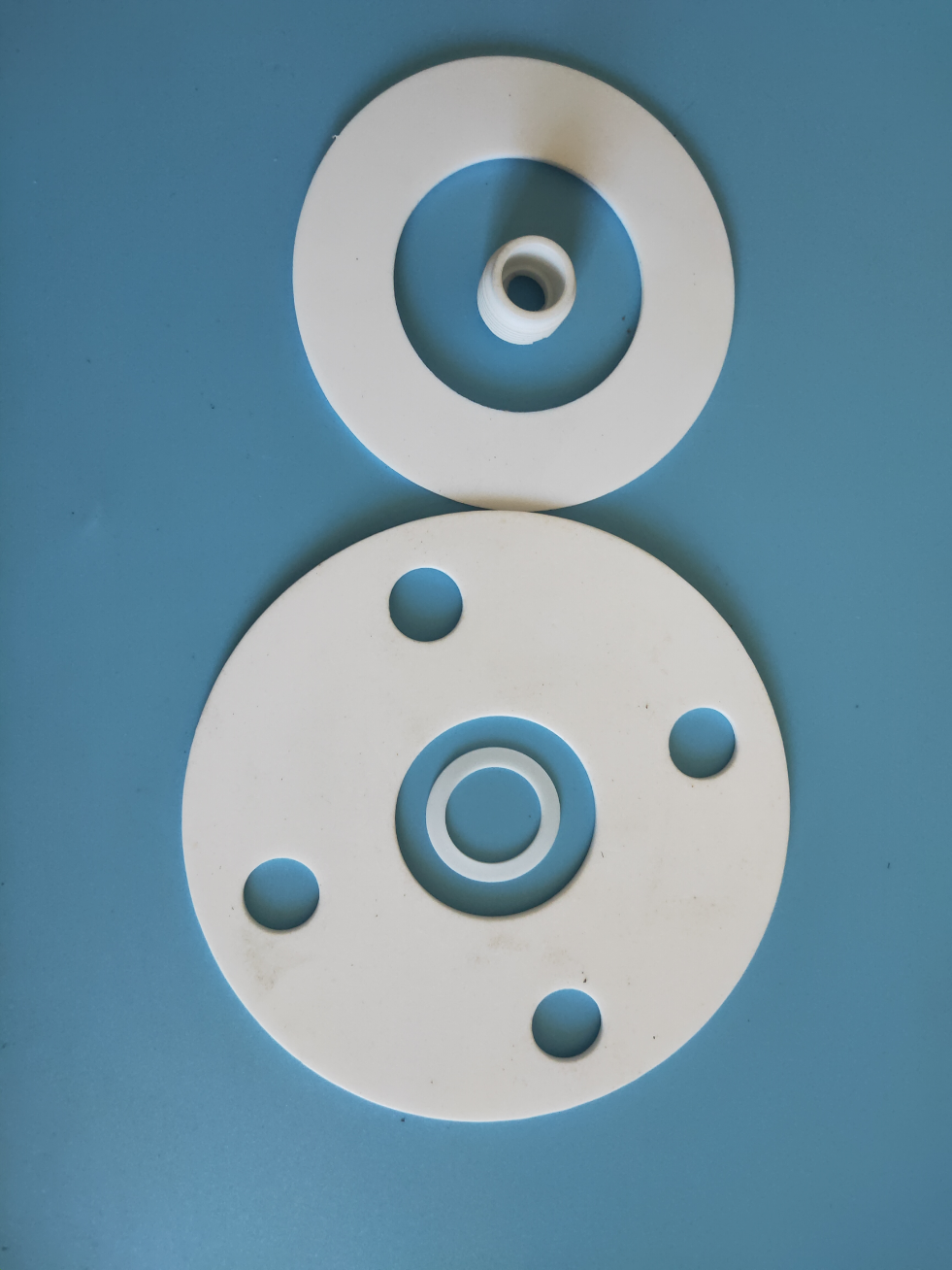
PTFE Virgin (unfilled) Skived sheet
- Excellent chemical resistance
- Very low friction coefficient
- Physiologically safe (Food Safe)
- Non-flammable synthetic resin
- Operating temperature: -200°C to +260°C
- Excellent UV resistance
- Colour: Natural (White)
- Sheet size: 1200 x 1000 (comes in 30 m rolls) from 0.25 – 6 mm thick
Applications: Seals, valve seats, bearing pads, high temperature components, piston rings, gaskets, hydraulics, chemical industry and food processing, non-stick applications and many others.
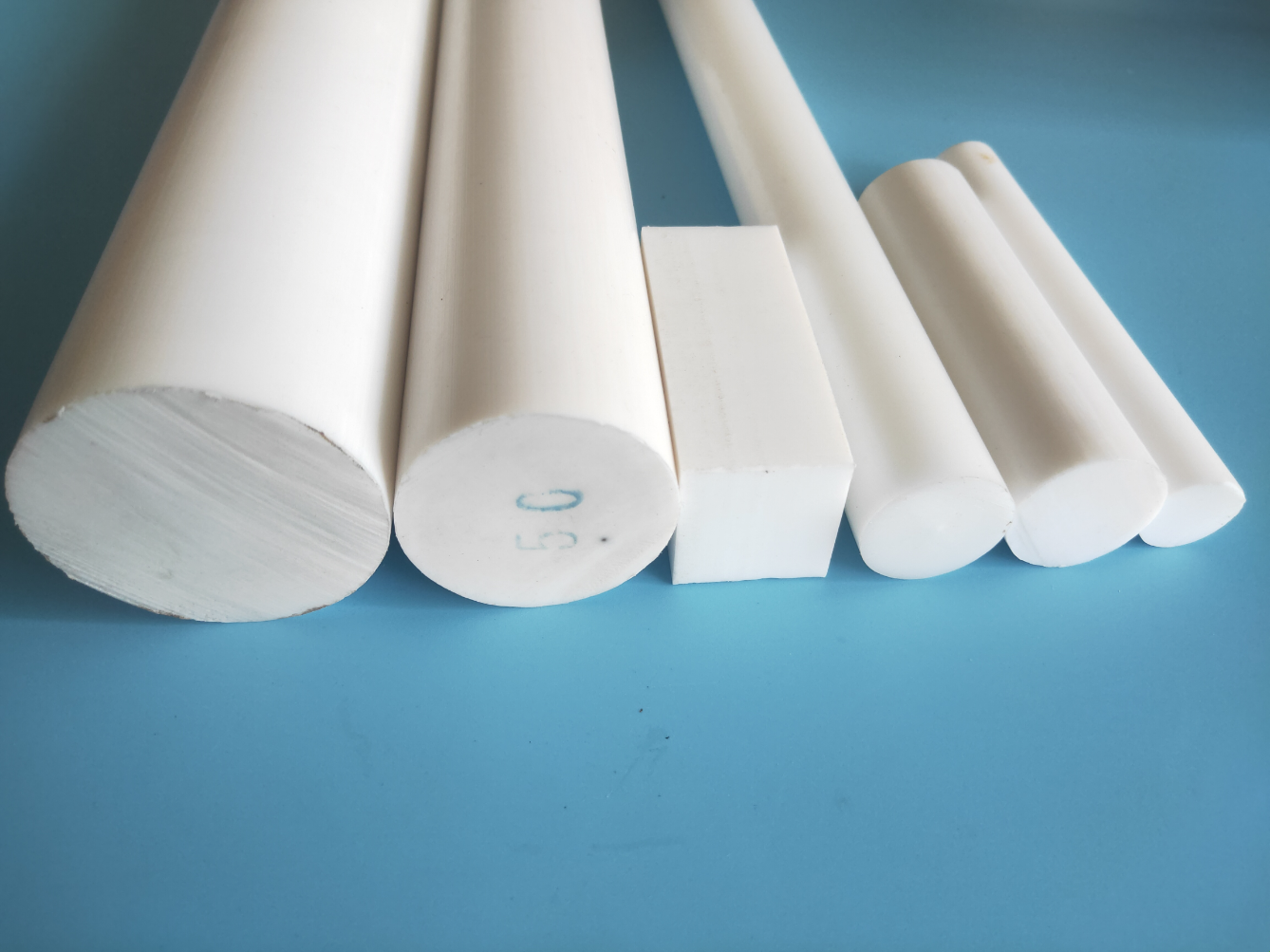
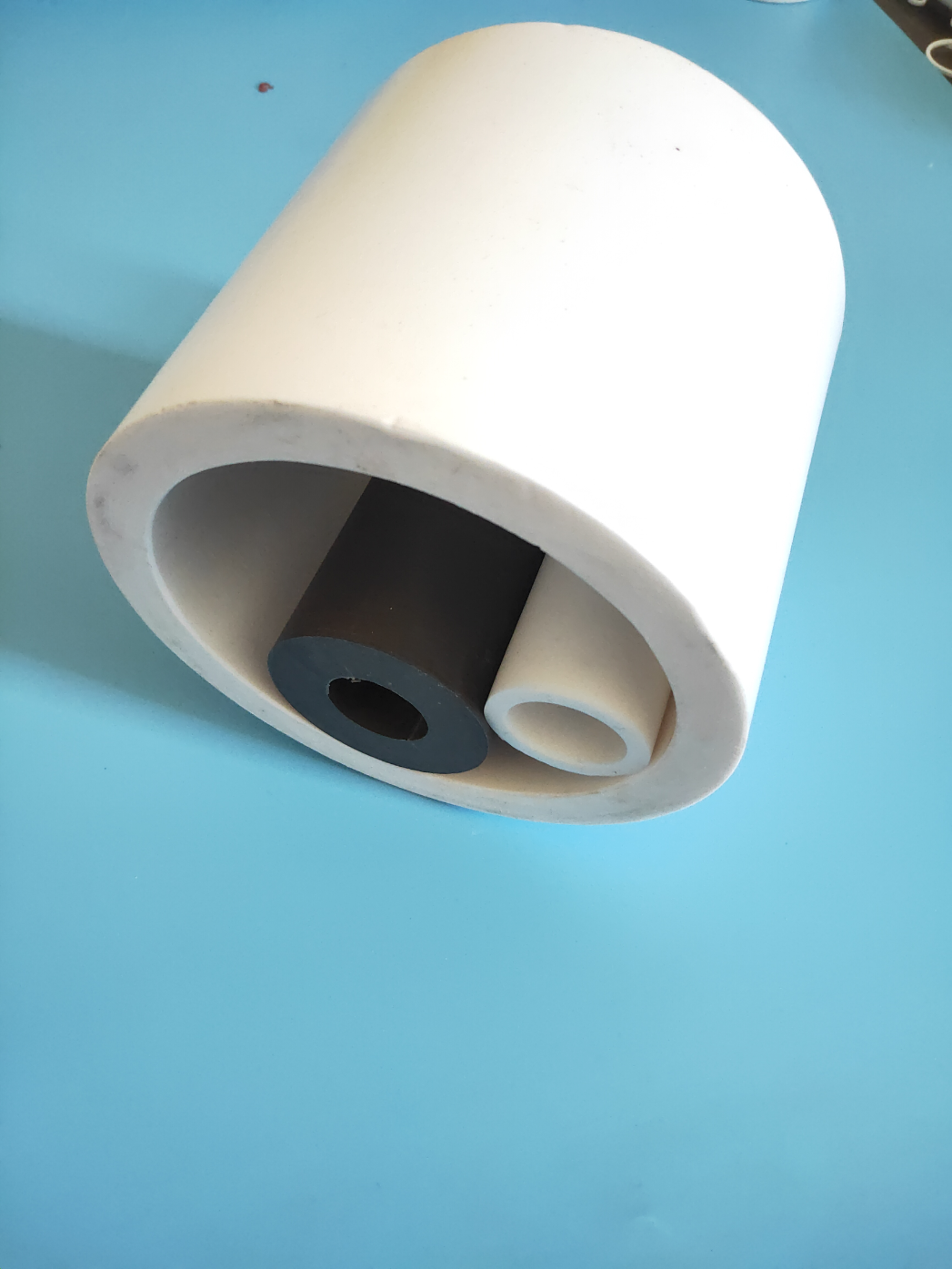
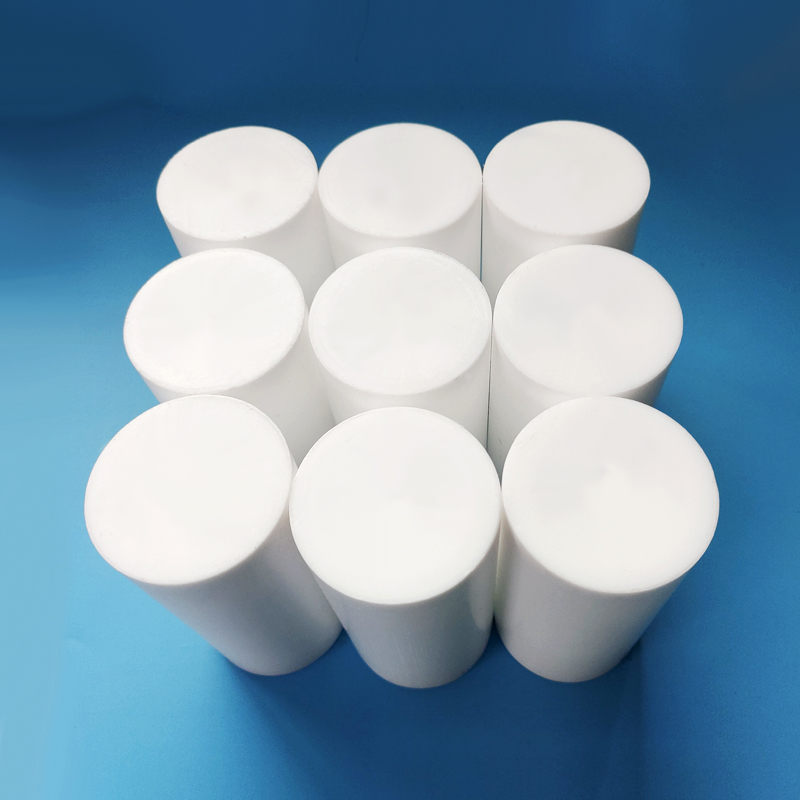
PTFE Moulded rod, sheet and tube
Due to PTFE having a very high melt viscosity, high melt temperature and a rigid polymeric chain structure, it makes processing by traditional extrusion and injection moulding techniques difficult. Compression moulding, isostatic moulding and ram extrusion are the most used manufacturing techniques.
Compression moulding is the simplest method of PTFE moulding. The method of compression moulding allows the industry to produce final products ranging from several grams to several hundred kilograms in weight. It is the most used processing method for cylindrical, rectangular and sheet shapes of PTFE.
- Excellent chemical resistance
- Very low friction coefficient
- Physiologically safe (Food Safe)
- Non-flammable synthetic resin
- Operating temperature: -200°C to +260°C
- Excellent UV resistance
- Colour: Natural (White)
- Sheet size: 1200 mm ×1200 mm from 8 mm to 50 mm thick
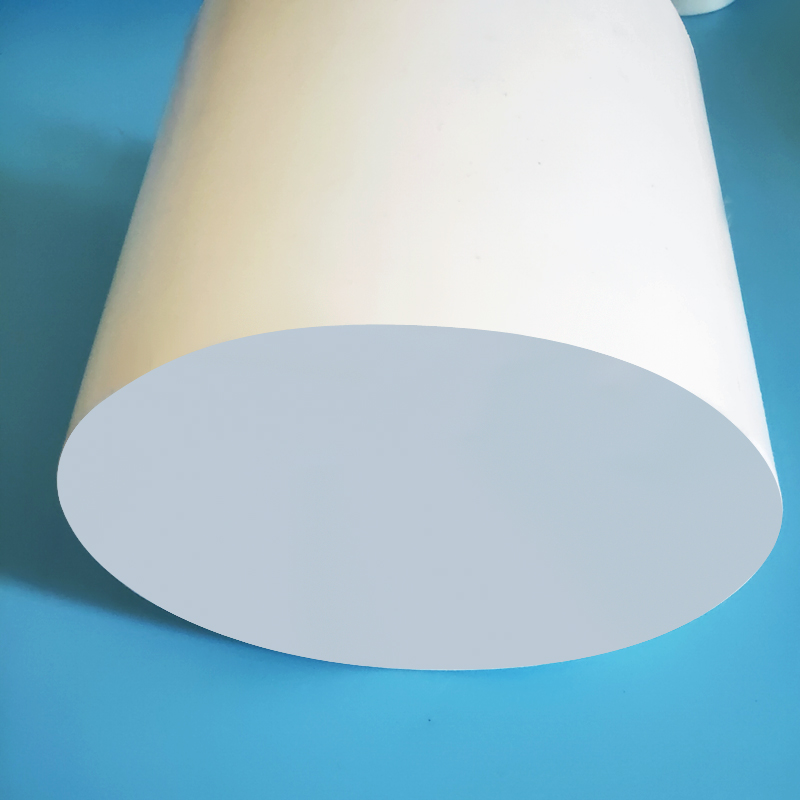
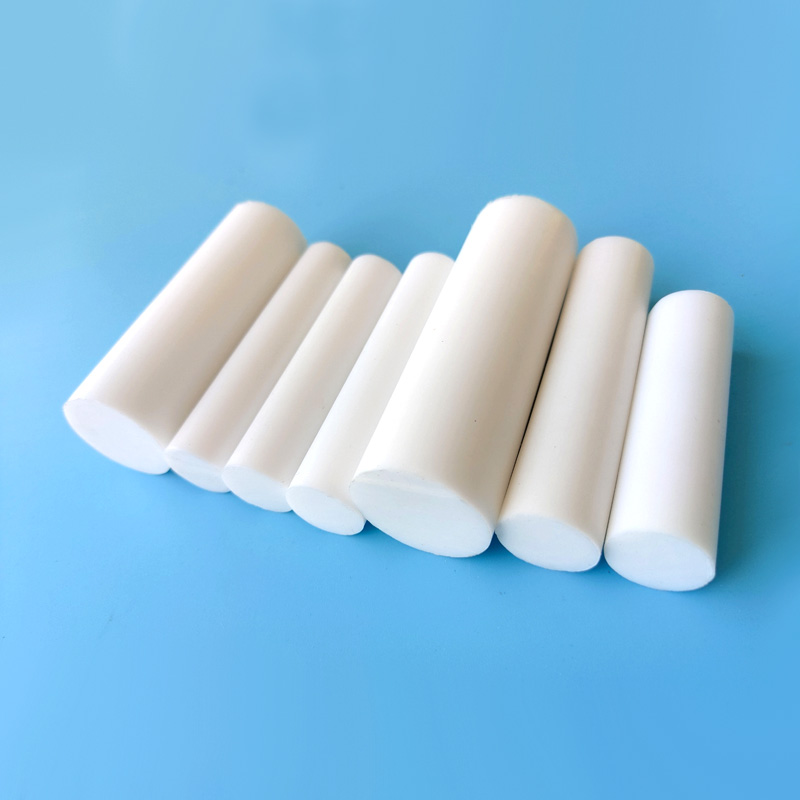
- Rods from 8 mm to 200 mm diameter
- Tubes made to order
Applications: Seals, valve seats, bearing pads, high temperature components, piston rings, hydraulics, chemical industry, food processing, non-stick applications and many others
PTFE Filled
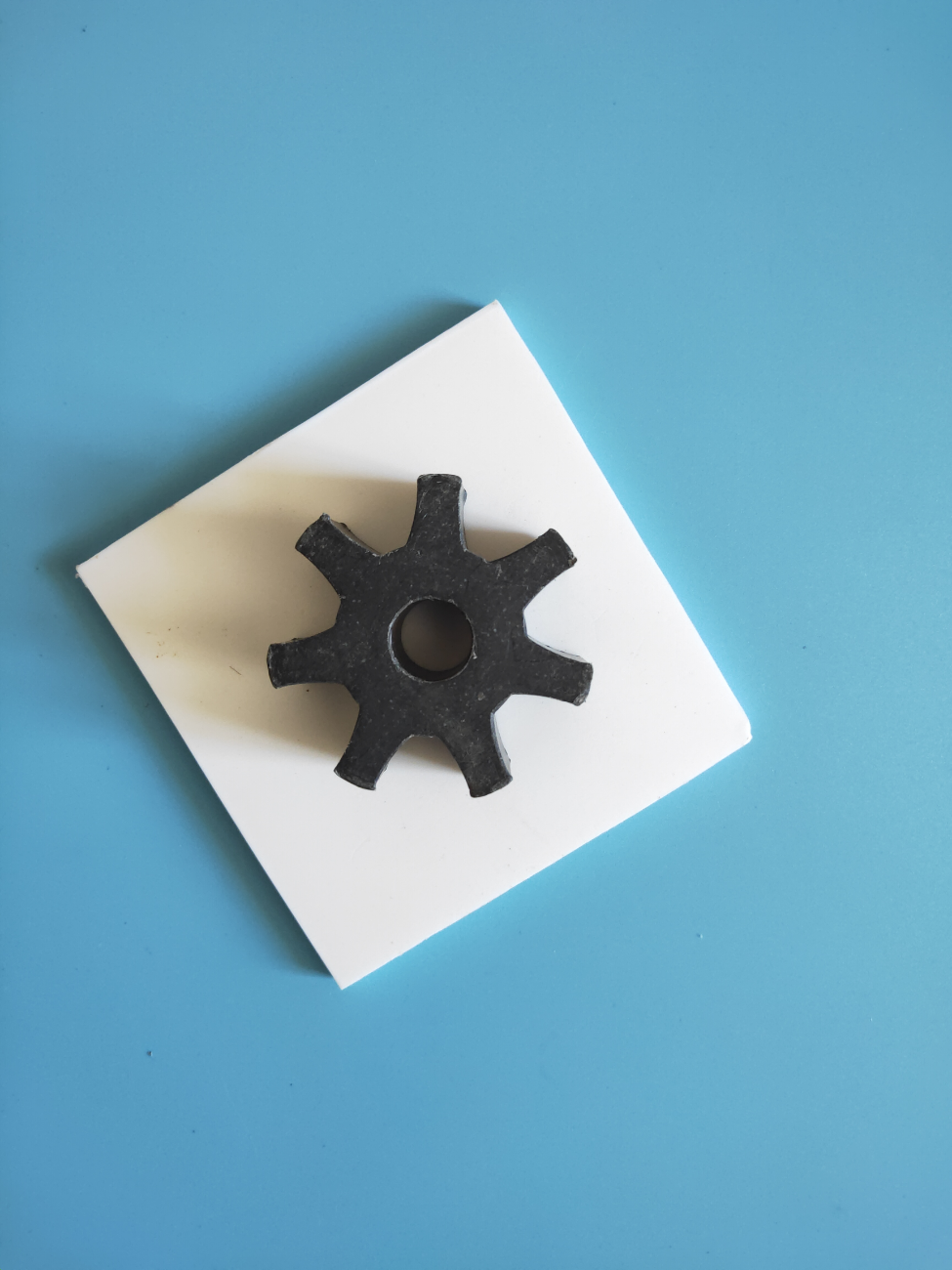
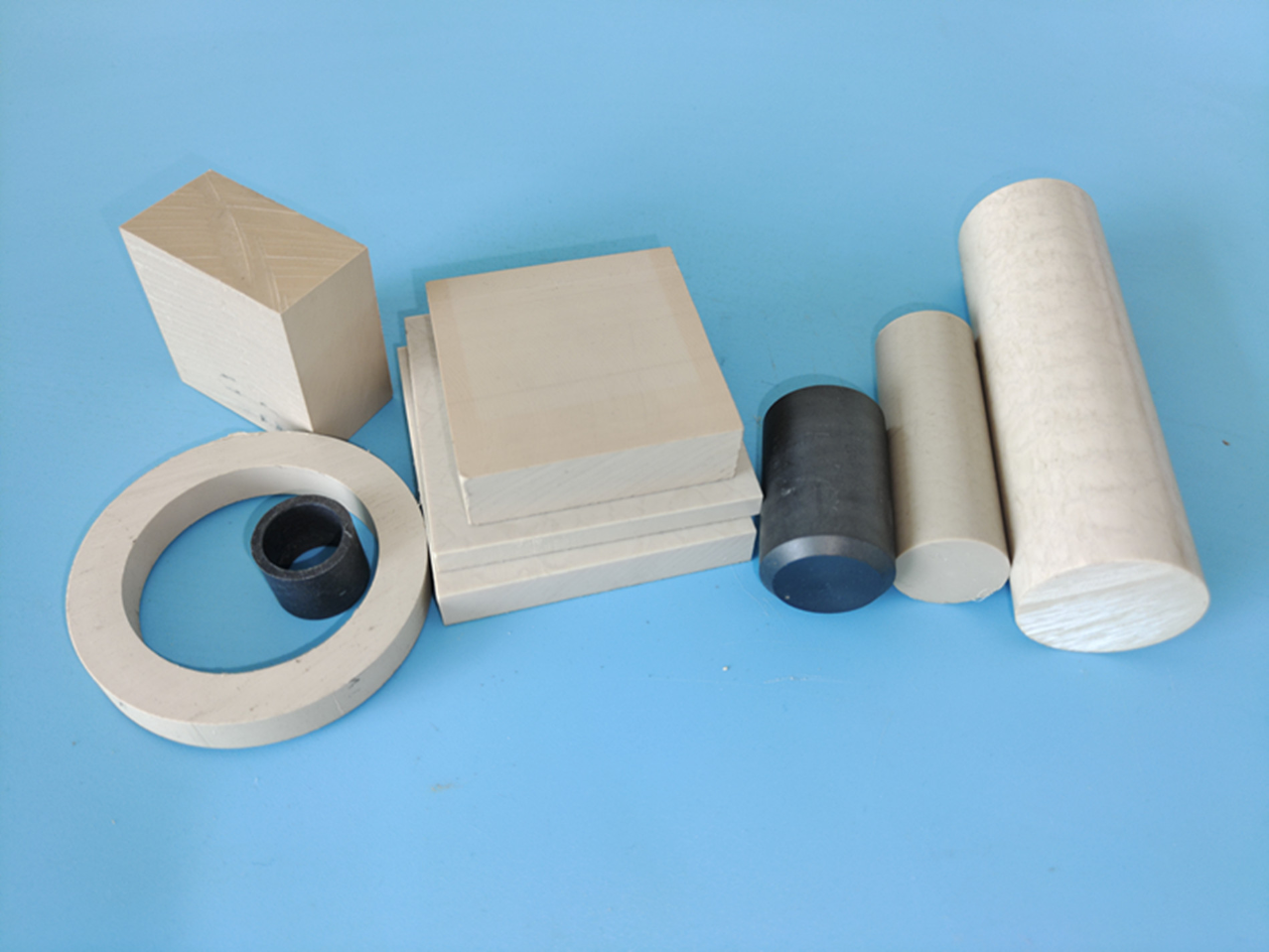
Description: PTFE fillers are additives used to modify the properties of PTFE-based materials. These fillers can improve mechanical strength, electrical conductivity, wear resistance, and enhance its performance in specific applications. Most common fillers are Carbon, Bronze, and Glass fibre in various percentages to suit the application.
Impact of fillers on PTFE properties:
- They can enhance mechanical properties, particularly creep and wear rate.
- They increase the porosity of PTFE compounds
- The dielectric strength decreases while the dielectric constant and dissipation factor increase
- Depending on the filler and percentage, there will be a change in the electrical and thermal conductivity.
Applications: Seals, valve seats, bearing pads, high temperature components, piston rings, hydraulics, chemical industry, food processing, non-stick applications and many others
PTFE Etched
PTFE etching is a chemical process method of surface treatment to enhance the adhesion of PTFE sheets, films or even finished parts. After etching treatment, the bondable side (treated surface) on the PTFE can be readily distinguished due to its characteristic dark brown colour.
- Good mechanical properties
- Excellent chemical resistance
- Great electrical insulation properties
- Excellent temperature resistance
- Etching provides a keyed surface suitable for bonding
- Excellent UV resistance
- Low friction
- Colour: White (Brown on treated surface)
- Sheet size: 1200 x 1200 from 0.5 – 3 mm thick
Applications: Due to PTFE’s excellent non-stick properties, it makes it almost impossible to bond. If you need the properties of PTFE but require the part to be bonded onto a substrate, etched material is for you.
We supply material and machined finished components to your drawing specifications